Introduction
Every time code is written or changed, it has to be checked before it ships. This includes building the binaries, running the tests and making sure nothing broke. Code validation (or CI) has always existed and AI is making it the most acute problem in software.
Blacksmith is becoming the de facto code validation platform for teams shipping with AI, and we are thrilled to invest in their Series C. As we did the work, we kept hearing the same three questions: (1) Wait... wasn't CI dead? (2) But how big can this get? (3) What about competition?
We think the community gets most of them wrong. Here is how we think about them.
Community question #1: Wait... wasn't CI dead?
This is the first thing people say, because they are looking at the wrong layer. The orchestration layer of CI was always thin and did not hold much value on its own. Incumbents bundled it, because CI sits next to where the code lives. That made it hard for an independent company to exist.
The infrastructure underneath, however, was always a large business. Teams ran CI on the same building blocks they used for everything else, and because code volumes were small, that worked fine.
That infrastructure is now breaking, and three things have changed. The first is the sheer volume of code. Agents write code in seconds, and every line still has to be built and tested before it ships, so more code means more validation.
The second is the size of the peaks. CI has always been bursty, with jobs that spike, run for a few minutes and get thrown away. When code volumes were small, those spikes were easy to manage. Now agents work in parallel and around the clock, so the load is busier and the spikes are much larger. Infrastructure built for other workloads is starting to break under it.
The third is the cost of waiting. Teams now spend heavily on AI tokens to write code, and every minute that code sits in a queue wastes that spend. Performance and reliability matter more than they ever have.
So CI was never dead. It has simply always borrowed infrastructure built for other workloads, and nobody has built infrastructure made for code validation. That is the opportunity, and Blacksmith is building the first dedicated layer.
Community question #2: But how big can this get?
Since this layer has never existed before, the natural question is how big it can get. History is a useful guide here. The most successful developer and infrastructure software companies, such as Datadog, MongoDB, Atlassian and GitLab, shared four traits. They had strong product-led growth and deep developer love, a fast time to “aha”, a platform shift to ride and, once they had earned it, the right to build a suite of products.
Blacksmith has the same ingredients. Developers love it and adoption starts bottom-up, because the value is almost instant and obvious. Switching takes a one-line change. It is riding one of the most significant platform shifts in history, and it has earned the right to build a suite of products around its core.
The big difference is the size of the tailwind. For those companies the shift was cloud and SaaS, while this one is AI, which is far larger. For the first time, not one but multiple companies are expected to IPO at a trillion-dollar valuation, which is a testament to how big this shift is.
Blacksmith benefits as AI usage grows. Whether open or closed models win, which lab comes out ahead and which use case takes off does not matter, because a large and growing share of tokens become code, and that code has to be validated before it ships.
Those tokens are growing fast. Google went from about 480 trillion tokens a month in May 2025 to about 3.2 quadrillion in May 2026, roughly 7x in a year. On OpenRouter, programming grew from about 11% of tokens in early 2025 to more than half by late 2025.
Given all of this, we believe Blacksmith can reach $1B in revenue faster than any of the prior generation developer and software infra companies did.
Community question #3: What about competition?
A prize this large draws the obvious pushback, which is whether the incumbents will simply take it. We think competition is the wrong question and that the right question is share. As agents scale, validation compute grows with them, so the real question is how much of it goes to a specialist and how much stays with the default. Our bet is that a larger share goes to the specialist, for four reasons.
First, incumbents optimize for something else. Their infrastructure serves their core products and steady, long-running work, so validation is a side workload for them. For Blacksmith, it is the whole business.
Second, incumbents do not always win. Snowflake won despite incumbents that already had the customers and the lock-in, and Datadog grew despite free monitoring tools bundled into every cloud account. In both cases the specialist was clearly better at the one thing customers cared about, worked across platforms rather than tying customers to one, and treated as its whole business what the incumbent treated as a feature. Blacksmith has the same profile.
Third, the specialist complements the default rather than replacing it. Blacksmith plugs into the tools teams already use, so teams keep their workflow and switching is a one-line change.
Fourth, the stakes keep rising. The more code agents write, the less "good enough" is good enough.
Onwards
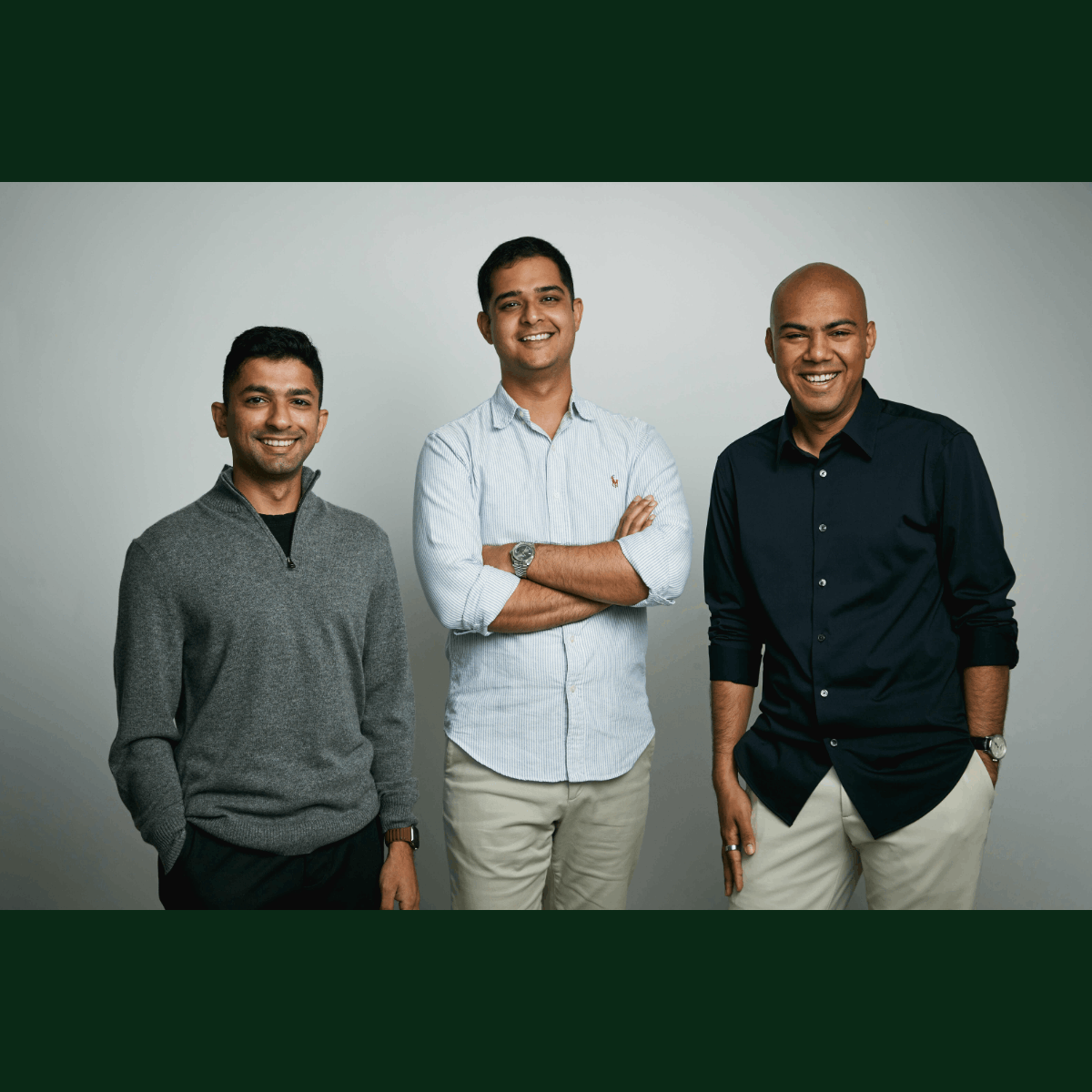
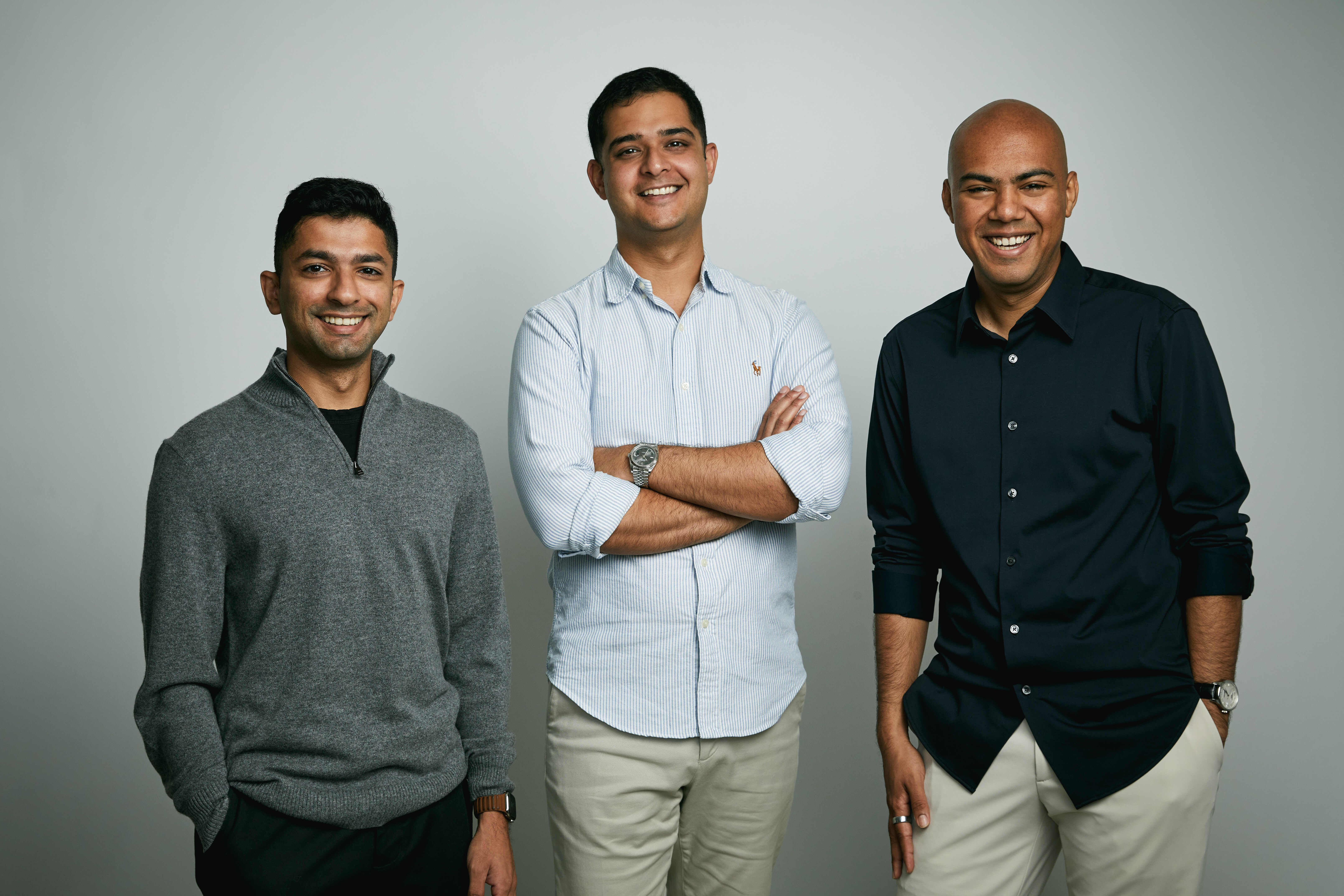
Blacksmith is a bet on how much code gets written, not on which model wins. But more than anything, it is a bet on a team we are incredibly excited to back. Aditya Jayaprakash (JP), Aayush Shah and Aditya Maru have been friends for a decade, since they met as undergrads at the University of Waterloo. Aayush and Maru went on to be early engineers at CockroachDB, building one of the hardest distributed databases in the world, while JP was an engineer at Faire. They are developers themselves, so they have lived the pain they are solving, and they are true first-principles thinkers. Rather than accept the infrastructure everyone else used, they went down to the metal and rebuilt it for this workload. Every conversation we had with them left us more convinced that this is the team to build the code validation layer.
We are thrilled to back them in their Series C, alongside Sequoia, PeakXV, GV and Y Combinator.